Offie Mag
What Happens When a Club Stops Relying on the Bar?
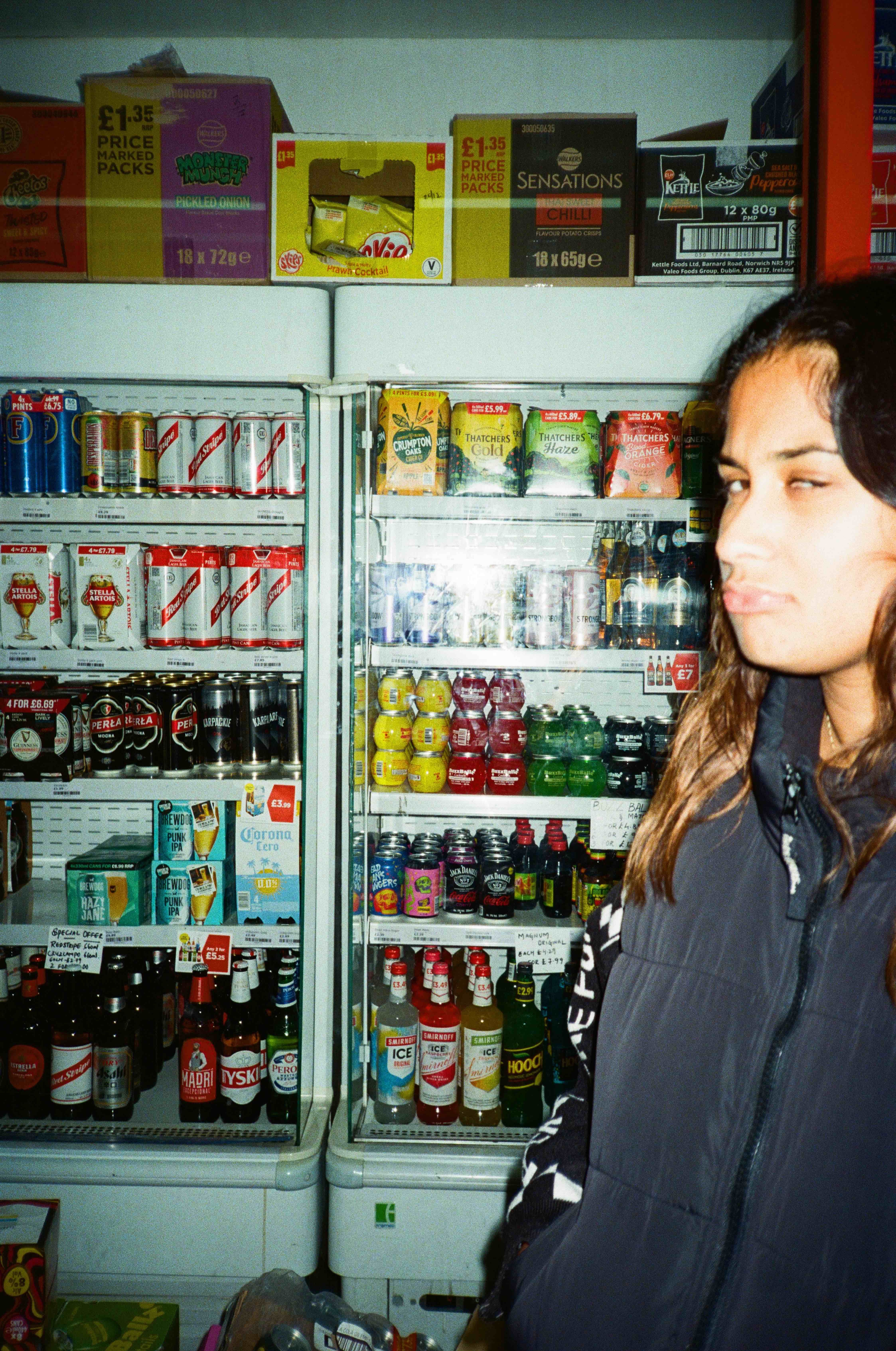
“It’s Einstein, right?” asks venue owner, Chris Hindle. “The definition of madness is doing the same thing again and again, but expecting different results?”
A nightclub where you can bring your own alcohol sounds like a loophole. At XLR, it’s part of the model. I didn’t expect to spend a Wednesday night smoking vogues by a fire exit with the owner, while a mutual friend took photos of us on a disposable camera.
Clubs have always made their margins at the bar. Alcohol sales are what keep everything else afloat. XLR hasn’t removed alcohol - it’s still there - but for once, it isn’t what keeps the doors open.
I’d seen coverage about the new BYOB policy, and it caught my attention. After years working behind bars, my first thought was simple: why hadn’t anyone thought of this before? My second was less romantic. I know how quickly a crowded room can tip from fun to unmanageable. Even if the economics worked, I wanted to know what this would do to behaviour - to intoxication, to safety. So I went to see it for myself.
XLR is a 200-capacity club in Withington, a few minutes from Fallowfield, where most of its crowd comes from. It’s known as a student venue, licensed to run club nights until 2am most nights, with the occasional later finish. It’s also my local - a short walk from my house. I’d only been once before, back in February, for a last-minute Denham Audio night. This time, the questions came instinctively - systems, risks, and routines - before I’d even mentioned that I’d like to write about it.
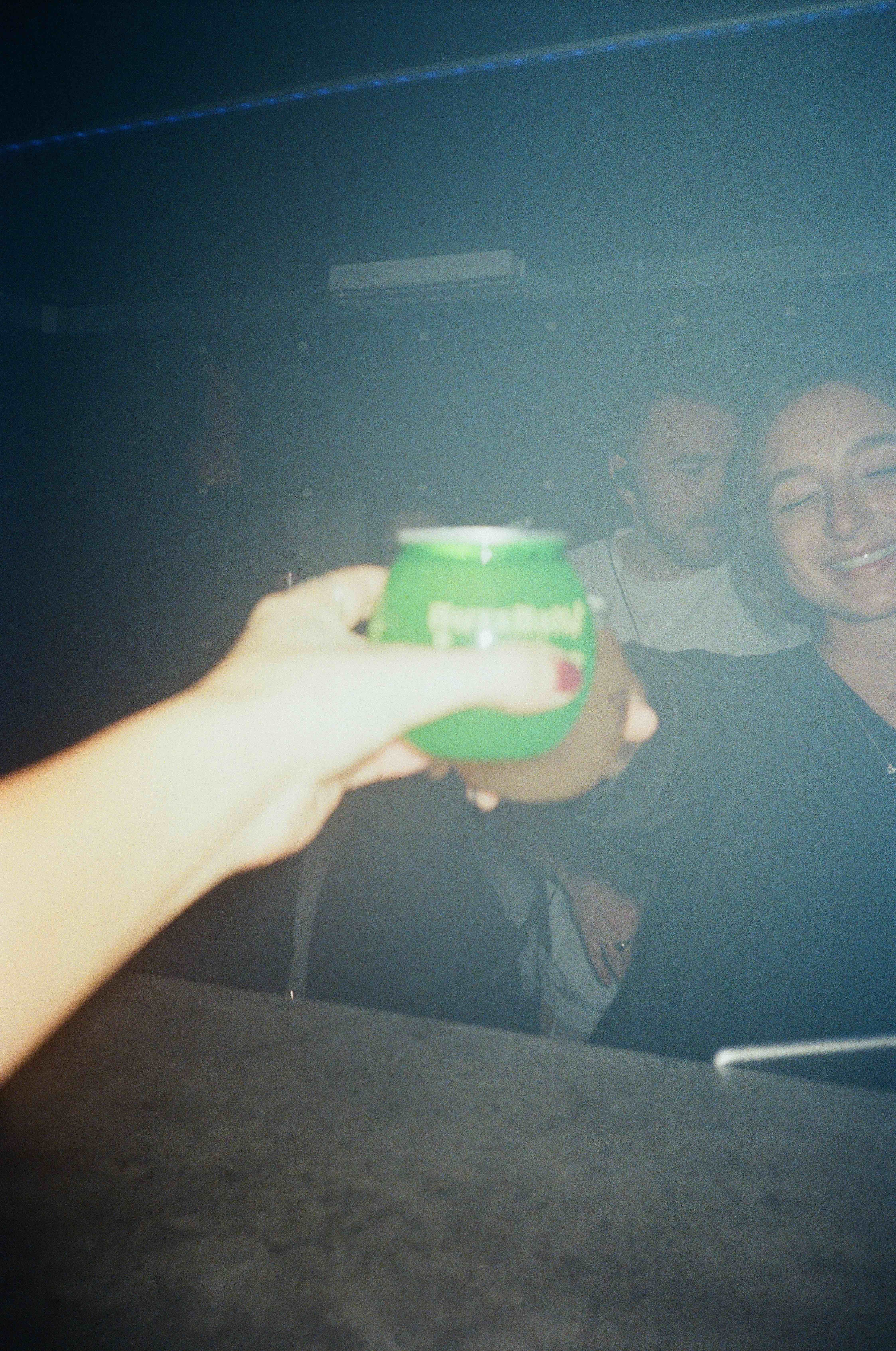
When the music at the bar became too loud to talk over, the owner suggested we head upstairs. We ended up in a narrow corridor off the main room, tech house bleeding through the walls. I offered him a vogue. He said he hadn’t smoked one in years.
Chris has been running XLR for seven years and has spent more than a decade working in venues. I’ve been bartending in clubs for three. Between us, we didn’t need to explain the basics - we both understood what it takes to keep a club running, and how fragile that balance has become.
The summer drought is brutal. When students leave, the numbers drop almost overnight. Chris told me he’d sat down to do the calculations after the last academic year ended, and the margins simply weren’t there - a situation that has become increasingly common for venues.
After a brief post-COVID surge - two years of people reclaiming nights lost to lockdown - the momentum has faded. Promoters are operating at break-even or a loss, costs keep rising, and small venues feel it first. Drinks that once subsidised music now price people out.
“We can’t keep up,” Chris said. Then he paused. “The clubs are dead. So how do we bring people back in?”
It took months of thought. Licensing officers raised no objections. BYOB wasn’t reckless - it was pragmatic. The concept itself wasn’t entirely unfamiliar. We joked about the BYOB Indian restaurant across the road - a reminder that, in other settings, bringing your own alcohol has long been normalised. In a club context, though, it felt almost unthinkable.
The real question was safety. I raised spiking and the realities of managing intoxication in a crowded room. XLR has clear safeguards in place - extensive CCTV coverage, a strict no-glass policy, drinks decanted on entry. Chris’s answer wasn’t just about infrastructure - it was about behaviour.
“You can’t control people drinking in there,” he said, describing the traditional model.
Without the pressure to recoup costs through bar sales, the night runs differently. People arrive less intoxicated, drink more gradually, and stay more aware of themselves and each other. It interrupts the cycle of heavy pre-drinking - long a part of student nightlife, but intensified in recent years as prices have climbed.
“You don’t have to do that anymore,” he said. “Bring it here. Make it safer.”
“The clubs are dead. So how do we bring people back in?”
BYOB isn’t just about money. It changes the rhythm of the night.
Operationally, the shift is small. Beyond basic storage behind the bar, it required no new infrastructure - just space, organisation, and trust. Financially, though, it changes everything.
Traditional club economics run on guesswork: the crowd, the weather, the mood of the room.
“You could sell out a 500-cap venue,” Chris said, “but if everyone buys one drink, you’re fucked.”
I knew exactly what he meant. At every venue I’ve worked in, nights were quietly judged by expected bar spend, not the music - rock gig, the bar will fly; techno crowd, good luck.
Ticket-led income flips that uncertainty.
“With tickets, you know before doors even open whether the night’s commercially viable,” he said. “Whereas if all your money’s in the bar, you don’t know until it’s too late.”
The risk shifts earlier - to the ticket itself - but in return, costs are clearer, staffing is more predictable, and venues aren’t forced to treat alcohol sales as the safety net for everything else. Money flows back into DJs, promoters, and the space itself.
“When the hype dies down,” Chris said, “the facts are still there. You’re still saving money.”
In a climate where small venues are folding and promoters are burning out, stability is no small thing.
Something else became clear that night: people drank differently. Fewer people brought alcohol than expected, and no one had to be turned away for excess.
“It’s a sign people just aren’t drinking as much anymore,” Chris said.
Younger crowds are building nights out differently. Health, cost, and changing habits mean fewer people are organising their social lives around getting drunk. Pre-drinking hasn’t disappeared, but attitudes toward drinking heavily are shifting. In that sense, BYOB isn’t pushing behaviour in a new direction - it’s meeting a shift already underway.
That shift comes with trade-offs. Without alcohol margins cushioning weak nights, ticket sales matter more than ever. XLR has had to invest more in social media, ads, and marketing - areas that once sat largely with promoters. The venue, in effect, has had to become part-promoter itself.
The experiment hasn’t gone unnoticed. XLR has been in conversation with Music Venue Trust, and national coverage followed quickly. Chris was less interested in the headlines than in what the response revealed about access to nightlife - and who it still serves.
Over the opening weekend, one customer thanked him for the change. They loved clubbing, they said, but had been priced out of it. BYOB hadn’t transformed the night - it had simply made it possible again.
The effects have spilled beyond the club itself. Chris has been speaking with nearby businesses about informal ticket-linked discounts, keeping money circulating locally rather than funnelling it upwards.
It isn’t reinvention so much as a rebalancing - a way of making the numbers work in a landscape where the old ones no longer do. Instead of selling drinks to subsidise music, the music sustains the space. The ticket becomes the contract: you’re paying for sound, programming, and atmosphere, not a £12 double. It reframes what a club is for - not a bar with a dancefloor attached, but a cultural space where music and community are the product, not the by-product.
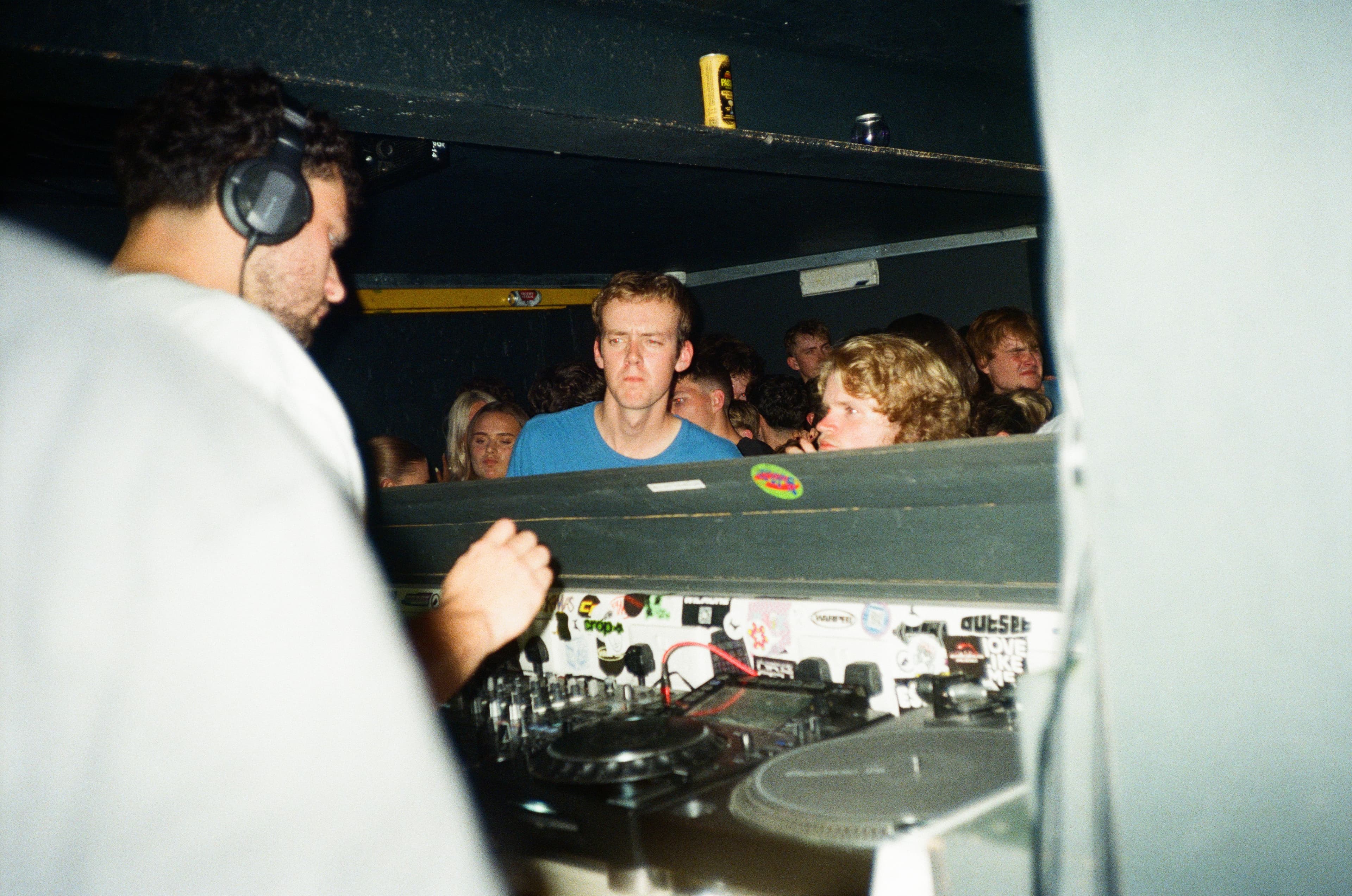
Later, we drifted back into the crowd. The room felt different - looser, less transactional. People talked more, asking each other what they were drinking rather than queuing at the bar. Behind the decks, Chris pointed out old stickers on the walls - traces of past nights, past line-ups, past attempts to keep the place alive. He spoke about the venue not in terms of profit, but continuity: who it was for, and how long it might last.
Across the country, small venues are closing, promoters are scaling back, and nights that once felt guaranteed now run on thinner margins than ever. Survival increasingly depends on whether spaces can adapt without losing what made them matter in the first place.
If the idea caught on, Chris said, he’d be happy with the impact.
Walking home, I had the sense that XLR wasn’t trying to reinvent clubbing. It was testing something simpler: whether a small venue could survive by centring music over alcohol - and whether that, on its own, might still be enough.
Words by Simran Aujla